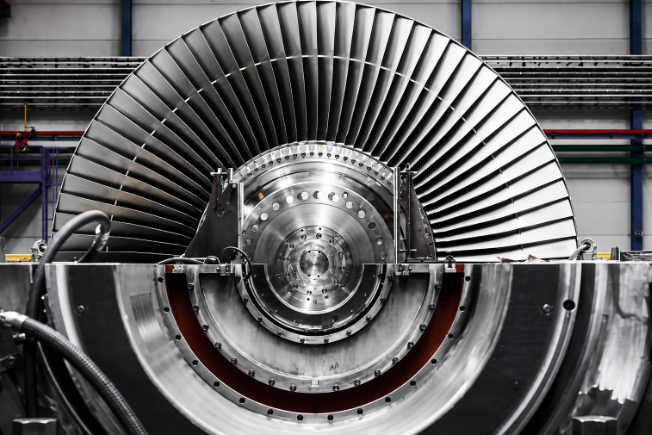
Power generation systems depend on precision-engineered components that perform efficiently under demanding operating conditions. Whether used in power plants, industrial facilities, or energy production environments, turbines require durable and accurately manufactured parts to maintain reliability and reduce unexpected downtime. Selecting the right turbine parts supplier plays a major role in ensuring consistent equipment performance, extending service life, and lowering maintenance costs.
Businesses that invest in quality turbine components often experience improved operational efficiency, better equipment reliability, and reduced repair expenses. This guide explains what to look for when sourcing turbine parts and why working with experienced manufacturers and service providers is essential for long-term success.
Why High-Quality Turbine Parts Matter
Turbines operate under extreme temperatures, pressures, and rotational speeds. Every component must meet strict engineering standards to ensure safe and efficient performance.
Quality turbine parts provide several important advantages, including:
- Longer equipment lifespan
- Improved operational efficiency
- Reduced maintenance frequency
- Better resistance to wear and corrosion
- Increased system reliability
- Lower risk of unexpected shutdowns
Inferior components may initially appear cost-effective but often result in increased maintenance expenses, reduced efficiency, and costly production interruptions.
See also: Why Choosing a Professional Rug Cleaning Company Protects Your Rugs for Years
What Makes a Reliable Turbine Parts Supplier?
Choosing a dependable turbine parts supplier involves more than comparing product catalogs. A trusted supplier understands turbine engineering, manufacturing standards, and industry-specific operational challenges.
Important qualities include:
Extensive Industry Experience
Experienced suppliers understand the unique requirements of gas turbines, steam turbines, and industrial generators. Their knowledge helps customers select the correct replacement components for specific operating conditions.
Precision Manufacturing Standards
Reliable suppliers produce parts using advanced machining processes, strict quality inspections, and certified materials. Precision manufacturing ensures proper fitment and dependable performance.
Comprehensive Product Range
A dependable supplier typically offers components such as:
- Turbine blades
- Buckets
- Vanes
- Nozzles
- Rotors
- Shafts
- Casings
- Bearings
- Seals
- Hardware assemblies
Having access to a complete inventory simplifies maintenance planning and minimizes procurement delays.
Material Quality
Industrial turbines operate in harsh environments. High-quality alloys and heat-resistant materials improve durability while maintaining structural integrity under continuous operation.
Understanding Modern Manufacturing Processes
Today’s advanced turbine parts manufacturing company operations combine engineering expertise with sophisticated production technologies. These manufacturing processes ensure that every component meets demanding industrial requirements.
Modern production techniques often include:
CNC Precision Machining
Computer-controlled machining provides exceptional accuracy for complex turbine geometries while maintaining tight tolerances.
Advanced Heat Treatment
Proper heat treatment enhances strength, wear resistance, and fatigue performance for components exposed to high operating temperatures.
Non-Destructive Testing
Inspection methods such as ultrasonic testing, magnetic particle inspection, and dye penetrant testing help identify internal defects before installation.
Dimensional Verification
Coordinate measuring machines and precision inspection equipment confirm that manufactured parts meet exact design specifications.
Benefits of OEM-Quality Replacement Components
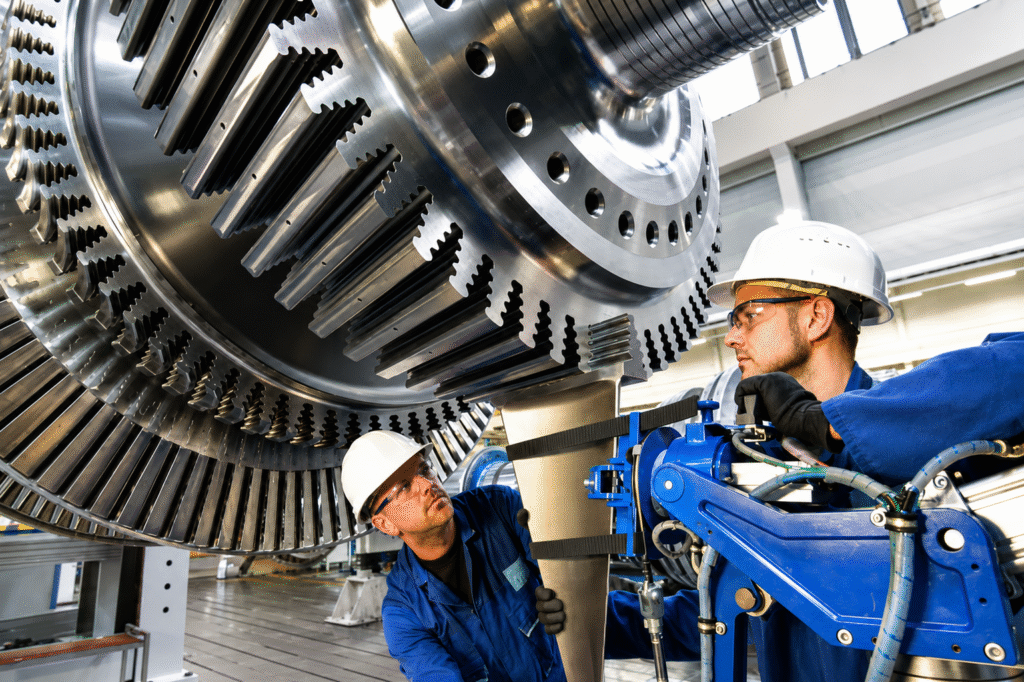
Many industrial operators choose OEM-quality replacement parts because they provide consistent performance without compromising equipment integrity.
Advantages include:
- Accurate component compatibility
- Reliable operational performance
- Improved thermal efficiency
- Reduced vibration levels
- Easier installation
- Lower maintenance costs
Properly engineered replacement components also reduce the likelihood of premature equipment failure.
The Importance of Preventive Maintenance
Even premium turbine components require scheduled maintenance to maximize operational efficiency.
An effective maintenance program should include:
Routine Visual Inspections
Regular inspections help detect early signs of wear, corrosion, erosion, or thermal damage before they become serious issues.
Performance Monitoring
Tracking vibration, temperature, pressure, and efficiency helps identify developing problems before equipment failure occurs.
Scheduled Component Replacement
Replacing worn parts during planned outages minimizes costly emergency repairs and production interruptions.
Professional Repair Services
When damage occurs, experienced repair specialists can restore many turbine components through precision repair techniques instead of complete replacement.
Supporting Generator Performance
Industrial generators often work alongside turbines in power generation systems. Reliable generator maintenance is equally important for maintaining continuous operations.
Many facility managers search for generator repair near me when unexpected equipment problems arise. Choosing experienced repair specialists ensures accurate diagnostics and proper restoration of electrical and mechanical systems.
Professional repair providers understand complex generator systems and can quickly identify faults that affect operational reliability.
Common Generator Issues
Generators experience wear over time due to continuous operation and demanding environments.
Some of the most common problems include:
- Bearing failures
- Rotor damage
- Stator winding deterioration
- Cooling system issues
- Electrical insulation breakdown
- Shaft misalignment
Timely generator repair helps prevent minor issues from becoming major equipment failures that result in extended downtime.
Early intervention often reduces repair costs while extending equipment life.
Selecting Professional Repair Services
Industrial facilities should work with experienced service providers that offer comprehensive diagnostic and repair capabilities.
Important factors include:
Skilled Technical Teams
Experienced technicians understand both mechanical and electrical aspects of industrial generators.
Advanced Diagnostic Equipment
Modern testing equipment helps identify hidden problems without unnecessary disassembly.
Quality Replacement Components
Reliable repair providers use high-quality replacement parts that meet industry specifications.
Fast Turnaround Times
Quick repairs help facilities minimize production losses and restore operations efficiently.
Many organizations searching for generator repair service near me prioritize providers with proven expertise, rapid response capabilities, and strong quality assurance processes.
Reducing Downtime Through Strategic Partnerships
Successful industrial operations rarely rely on reactive maintenance alone. Instead, they build long-term relationships with trusted suppliers and repair specialists.
Strategic partnerships provide several benefits:
- Faster access to replacement parts
- Improved maintenance planning
- Reduced inventory challenges
- Technical engineering support
- Better lifecycle cost management
- Consistent equipment performance
Working closely with experienced professionals allows maintenance teams to plan outages more effectively while reducing operational risks.
Factors to Consider Before Purchasing Turbine Parts
Every facility has unique operating requirements. Before purchasing replacement components, evaluate several important factors.
Equipment Compatibility
Ensure every component matches original equipment specifications.
Material Performance
Choose materials designed for your operating temperatures, pressures, and environmental conditions.
Manufacturing Quality
Verify inspection procedures, certifications, and production standards.
Technical Support
Suppliers should provide engineering assistance throughout the purchasing process.
Inventory Availability
Quick access to replacement parts reduces maintenance delays during scheduled outages.
Long-Term Reliability
Focus on lifecycle performance rather than simply selecting the lowest purchase price.
Future Trends in Turbine Component Manufacturing
The power generation industry continues adopting advanced manufacturing technologies to improve component reliability.
Emerging trends include:
- Additive manufacturing for complex components
- Digital quality control systems
- Advanced protective coatings
- Improved high-temperature alloys
- Predictive maintenance technologies
- Data-driven asset management
These innovations help improve turbine efficiency while extending equipment service life.
Conclusion
Selecting the right turbine parts supplier is a critical decision for any organization operating industrial turbines and power generation equipment. High-quality components, precision manufacturing, and dependable technical support contribute directly to improved reliability, reduced downtime, and lower long-term operating costs.
By partnering with experienced manufacturers and qualified repair specialists, businesses can maximize equipment performance while protecting valuable assets. Investing in quality turbine components and proactive maintenance strategies ensures safer operations, greater efficiency, and long-term success in today’s demanding industrial environment.