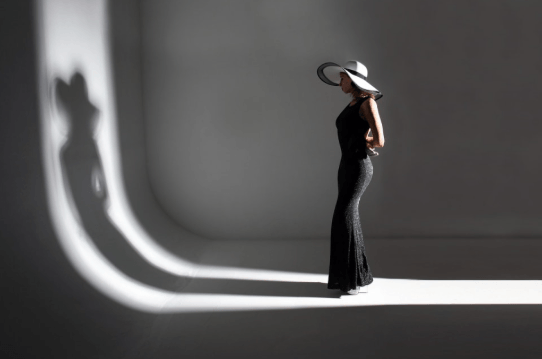
Fashion operates as a data point, signaling identity before spoken words. Garments encode mood, values, and affiliations through texture, color, and cut. The psychology of style choices reveals context as much as preference, turning wardrobes into portable narratives. Confidence rises when outfits align with a self-authored story, yet the balance between autonomy and social cues remains unsettled. The question lingers: what does a deliberate look truly say about who we are, and what it permits us to become?
What Fashion Says About Who You Are
Fashion acts as a visible index of identity, signaling affiliations, values, and moods before any verbal assertion is made. The analysis treats garments as data, revealing Style identity and Wardrobe narrative through choices, textures, and color psychology. Body language and Personal branding converge in Social signaling, while Texture meaning and Mood reflection map inner states, offering critical insight into how self is performed and perceived.
two word ideas: Fashion psychology
The Psychology Behind Style Choices
The psychology behind style choices examines how individuals curate appearances not merely to adorn the body but to negotiate social meanings, status cues, and emotional states. It analyzes behavior beyond aesthetics, revealing motives for self-presentation and conformity pressures. The concept of style autonomy emerges as choice under constraint, while sensory branding channels perception, shaping identity through tactile, visual, and experiential cues driving freedom-aware fashion narratives.
Practical Ways to Express Yourself Through Wardrobe
One practical approach to self-expression through wardrobe is to curate a deliberate set of signature pieces that signal personal values while remaining adaptable across contexts; by anchoring outfits in a few distinctive items, individuals can project consistency without rigidity.
The method favors bold color palettes, tactile fabrics, minimalist layering, and bold accessories, balancing autonomy with contextual adaptability for freer, provocative style narratives.
Cultivating Confidence: Storytelling With Your Look
By arranging garments as a narrative rather than a mere ensemble, individuals translate internal states into external cues, enabling a visual arc that guides perception and invites scrutiny. Cultivating confidence emerges from deliberate ensembles that foreground intention over tradition, reframing risk as evidence of self-authored style. This process emphasizes confidence crafting and color storytelling, transforming dressing into a portable manifesto and a lucid, fearless communication of identity.
See also: What Are Governance Tokens?
Frequently Asked Questions
How Do Cultural Trends Influence Personal Style Choices?
Cultural trends shape personal style as individuals engage in cultural assimilation, translating collective signals into distinctive choices; streetwear evolution demonstrates how global influences fuse with local identity, provoking reconsideration of authenticity while empowering autonomy within fashionable discourse.
Can Fashion表达 Emotions Without Words or Actions?
Expressive silhouettes reflect emotion; mood driven fabrics communicate inner states without words or actions. The analysis shows fashion can articulate feeling, provoke thought, and contextualize freedom, aligning expressive forms with audiences craving autonomy, transcendence, and dialogic style.
What Role Do Body Image and Size Inclusivity Play?
Body image shapes fashion representation; size inclusivity broadens audiences and challenges norms, fostering body positivity while provoking discourse. The analyst notes how inclusive design reframes identity, enabling freedom in expression, yet systemic biases require ongoing critical evaluation.
How Can Fashion Affect Professional Success and Credibility?
Professional credibility can be shaped by wardrobe signaling, where deliberate choices project competence, authority, and reliability; fashion acts as an unconscious endorsement, shaping perceptions of capability while inviting critique about conformity, individuality, and the freedom to redefine professional norms.
Do Clothes Impact First Impressions More Than Behavior?
A hypothetical case shows clothes vs behavior shaping first impressions more than conduct alone, yet behavior ultimately sustains credibility; first impressions hinge on appearance, but sustained trust derives from consistent actions, context, and performance, not attire alone.
Conclusion
Fashion serves as both mirror and compass, translating inner weather into outward silhouette. In a detached analytic frame, the wardrobe becomes a laboratory where texture, hue, and cut test hypotheses about identity and belonging. The provocative insight: style is not vanity but a data-driven narrative, a portable manifesto calibrated to context. When garments align with intention, confidence crystallizes; when misaligned, dissonance becomes information. Ultimately, clothing is storytelling with measurements—articulating selfhood while quietly predicting how one is read.