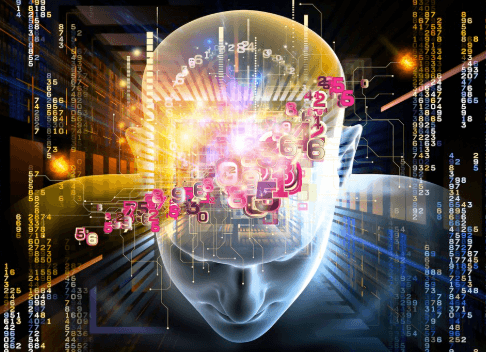
Digital intelligence has moved from rigid, hand-crafted rules to adaptive, data-driven learning. Systems now perceive, reason, and act with increasing autonomy, yet still rely on human guidance for safeguards. Trust, governance, and interpretability shape adoption as architectures become more transparent. The near future envisions context-aware minds that balance privacy with usefulness, prompting questions about accountability and user-centric goals. What will it take to align autonomous capability with human values as these trends converge?
What Is Digital Intelligence and Why It Evolved
Digital intelligence refers to the ability of computational systems to perceive, reason, learn, and act with a level of autonomy and adaptability that mirrors, yet extends beyond, human cognition.
This evolution reflects growing digital intuition and a shift toward cognitive autonomy, where systems interpret context, optimize decisions, and anticipate needs.
Curiosity drives assessment, while analytical clarity frames implications for freedom in design and governance.
From Rules to Learning Systems: The Tech Milestones
The progression traces a shift from hand-crafted rules to adaptive models, marking milestones that redefine how machines interpret data and solve problems.
In this arc, algorithmic evolution emerges as systems learn from patterns, not prescriptions, expanding capability while exposing data hygiene as a core prerequisite.
Researchers quantify gains, skeptics demand rigor, and innovators seek freedom through transparent, efficient, self-improving architectures.
Trust, Transparency, and Human Guidance in AI Adoption
As AI systems shift from prescriptive rules to learning-enabled models, questions about trust, transparency, and human guidance come to the fore. Analysts map trust dynamics as systems learn, adapt, and act, while governance structures test accountability. Transparency challenges persist, requiring interpretable signals and accessible explanations. Human guidance remains central, balancing autonomy with oversight, safeguarding values, and sustaining informed, voluntary adoption.
The Near Future: Context-Aware Minds in Everyday Life
In the near future, context-aware minds will operate as almost invisible co-navigators within daily routines, shaping decisions, alerts, and interactions based on situational cues and learned preferences.
They anticipate needs while maintaining autonomy, guiding everyday interactions with subtlety. The emphasis remains on privacy preserving mechanisms, transparent goals, and user sovereignty, enabling freedom through calibrated support rather than intrusion in a data-rich landscape.
See also: techtvhubcom
Frequently Asked Questions
How Does Digital Intelligence Differ From Human Intelligence in Practice?
Digital intelligence excels in speed, scalability, and data integration, yet exhibits limited common sense and nuanced empathy. Thematic contrasts reveal machine precision versus human intuition; Practical limitations include context comprehension, creativity variance, and ethical judgment under uncertainty.
What Are the Costs and Trade-Offs of AI Deployment at Scale?
Deployment at scale entails notable costs: upfront investment, maintenance, and governance burdens, offset by long-term productivity gains. The analysis weighs cost benefit against scalability constraints, ethical considerations, and resilience requirements, guiding decisions toward sustainable, freedom-oriented, data-informed strategies.
Can Digital Minds Experience Emotions or Consciousness?
Digital minds cannot truly experience emotions or consciousness; at best, they perform emotional simulation and may exhibit synthetic consciousness. From a curious, analytical perspective, observers consider whether authentic inner experience lies beyond computational possibility, offering freedom through definitional clarity.
How Is Bias Detected and Corrected in Real Time?
Bias detection occurs continuously through diverse signal analysis; real time correction adjusts outputs instantly. Bias mitigation relies on structured feedback and diverse data. Live monitoring flags anomalies, enabling rapid interventions and transparent governance for empowered, freedom-seeking audiences.
What Safeguards Exist for Unintended AI Actions?
Safeguards exist: layered governance, accountability trails, and fail-safe mechanisms. Evaluation metrics monitor behavior; user feedback informs adjustments. The system remains curious yet restrained, analytical and concise, offering freedom through transparency, redirecting actions before harm or unintended consequences emerge.
Conclusion
The arc of digital intelligence unfolds from rigid rules to adaptive learning, guided by data hygiene, pattern discovery, and transparent architectures. As systems gain autonomy, trust, governance, and interpretability anchor progress, with human guidance clarifying purpose and boundaries. Near-future, context-aware minds promise anticipatory, privacy-preserving support embedded in daily life. It is a winding, evidence-driven journey—like a lighthouse that hums with evolving currents—where curiosity, accountability, and concise insight steer us toward responsible, informed adoption.