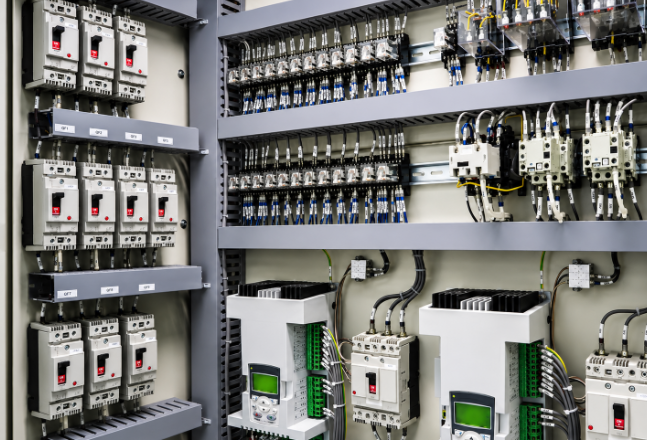
Modern buildings and industrial facilities rely on dependable electrical systems to maintain uninterrupted operations. Whether powering a commercial office, manufacturing plant, healthcare facility, or residential complex, proper power distribution is essential for safety, efficiency, and long-term reliability. At the center of every well-designed electrical infrastructure is the electrical switchboards, which organize, control, and protect the distribution of electricity throughout a building.
As electrical demands continue to grow, businesses require solutions that provide greater control, improved safety, and flexibility for future expansion. Understanding how switchboards function and why they are critical can help facility owners, engineers, and contractors make informed decisions when designing or upgrading electrical systems.
What Is an Electrical Switchboard?
An electrical switchboard is a centralized assembly that receives electrical power from a primary source and distributes it to multiple circuits within a building or industrial facility. It houses protective devices, circuit breakers, meters, and control equipment that regulate electrical flow while protecting connected equipment from overloads and faults.
Instead of allowing electricity to flow directly to every connected device, a switchboard safely divides the incoming supply into smaller, manageable circuits. This organized distribution helps ensure that each section of the building receives the appropriate amount of power while maintaining operational safety.
Because modern facilities depend on continuous electrical performance, switchboards have become an indispensable part of today’s electrical infrastructure.
See also: Choosing the Right Turbine Parts Supplier for Reliable Power Generation
How Switchboards Improve Electrical Safety
Safety remains the highest priority in any electrical installation. A properly designed switchboard minimizes risks by providing several layers of protection.
Circuit Protection
Circuit breakers automatically disconnect power whenever excessive current is detected. This helps prevent overheating, equipment damage, and electrical fires caused by overloaded circuits.
Fault Isolation
When an electrical fault occurs, only the affected circuit is isolated while the remaining circuits continue operating. This minimizes downtime and helps maintain business continuity.
Equipment Protection
Sensitive electrical equipment benefits from stable power distribution, reducing wear and extending operational life.
Safe Maintenance
Clearly labeled sections allow electricians to isolate circuits during maintenance without shutting down the entire electrical system.
These safety features contribute significantly to compliance with electrical standards while protecting both personnel and valuable equipment.
The Role of Switchboards in Power Distribution
Every commercial or industrial facility contains numerous electrical loads with varying power requirements. Lighting systems, HVAC equipment, production machinery, security systems, elevators, and computer networks all require reliable electrical distribution.
A switchboard manages these diverse demands by directing electricity where it is needed while maintaining balanced electrical loads.
Many facilities also integrate switchgear power solutions to enhance protection, monitoring, and system reliability. Together, these technologies help maintain efficient electrical operations while reducing the risk of unexpected failures.
Types of Switchboards Used Across Industries
Different facilities require different switchboard configurations depending on their electrical requirements.
Commercial Buildings
Office buildings, retail centers, schools, and hotels use switchboards designed to manage multiple branch circuits while supporting future expansion.
Industrial Facilities
Manufacturing plants require heavy-duty switchboards capable of handling large electrical loads and demanding operating environments.
Healthcare Facilities
Hospitals require highly reliable electrical systems that support critical equipment while ensuring uninterrupted operation during emergencies.
Data Centers
Reliable power distribution is essential for servers and communication equipment, making advanced switchboards an important component of data center infrastructure.
Each application requires careful planning to ensure optimal safety, capacity, and operational efficiency.
Understanding Low Voltage Applications
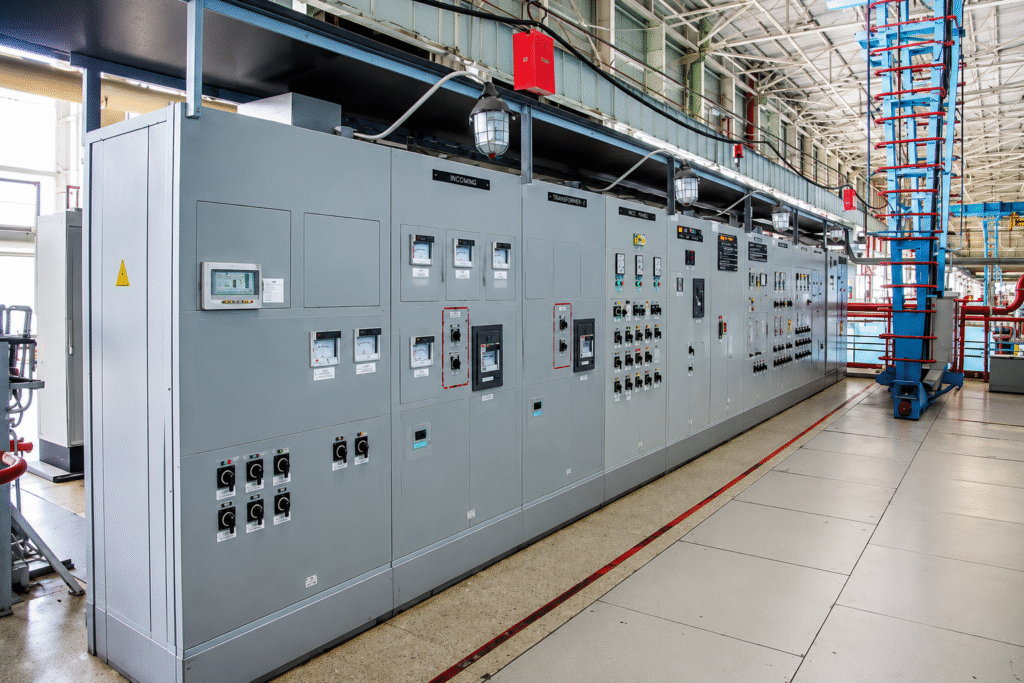
Most commercial buildings operate using a low voltage switchboard, which distributes electricity at voltages suitable for internal building systems.
Low voltage switchboards are commonly installed because they offer several advantages:
- Simplified maintenance
- Reliable circuit protection
- Flexible system expansion
- Improved operational safety
- Efficient distribution for commercial loads
These systems provide dependable performance while meeting the electrical needs of modern facilities.
Key Components Inside a Switchboard
Although switchboard designs vary depending on the application, several major components are commonly included.
Incoming Section
This receives power from the utility supply or transformer before distributing electricity throughout the facility.
Circuit Breakers
Breakers protect individual circuits by interrupting electrical flow whenever abnormal conditions occur.
Busbars
Busbars are conductive metal bars that distribute electrical current efficiently to outgoing circuits.
Metering Equipment
Meters monitor voltage, current, power consumption, and overall electrical performance.
Control Devices
Control equipment allows operators to monitor system conditions and perform safe operational adjustments.
Each component contributes to the overall reliability and safety of the electrical distribution system.
Choosing the Right Switchboard
Selecting the appropriate switchboard involves more than simply matching electrical capacity. Several important factors should be considered during system design.
Current Capacity
The switchboard must safely handle both present and future electrical loads.
Available Space
Installation space affects equipment dimensions, accessibility, and future maintenance.
Environmental Conditions
Dust, moisture, heat, and corrosive environments influence enclosure selection and protection ratings.
Future Expansion
Facilities often grow over time, making expandable switchboards a practical long-term investment.
Compliance Requirements
The equipment should meet applicable electrical standards and local regulatory requirements.
Working with experienced electrical professionals helps ensure the system meets operational needs while supporting future growth.
Why the Main Switchboard Matters
Every electrical system begins with the main switch board, which serves as the central distribution point for incoming electrical power.
The main switch board performs several important functions:
- Receives utility or generator power
- Distributes electricity throughout the facility
- Provides primary overload protection
- Allows safe isolation during maintenance
- Supports monitoring of total electrical consumption
Because it serves as the heart of the electrical distribution system, its design directly impacts overall reliability and operational efficiency.
Modern Innovations in Switchboard Technology
Electrical infrastructure has evolved significantly over the past decade. Today’s switchboards often include advanced monitoring capabilities that improve system management.
Modern features include:
- Digital energy monitoring
- Remote diagnostics
- Predictive maintenance capabilities
- Integrated communication systems
- Enhanced fault detection
- Improved power quality analysis
These technologies help facility managers identify potential issues before they become major problems while improving overall energy efficiency.
Maintenance Best Practices
Even the highest-quality switchboards require regular maintenance to ensure long-term performance.
Recommended maintenance practices include:
- Routine visual inspections
- Thermal imaging for hotspot detection
- Tightening electrical connections
- Cleaning internal components
- Testing protective devices
- Updating maintenance records
Preventive maintenance reduces unexpected failures and extends equipment lifespan while maintaining safe operation.
Supporting Reliable Building Operations
Every building depends on a stable electrical infrastructure. From lighting and security systems to production equipment and climate control, reliable power distribution supports nearly every daily operation.
An electric main switch board helps coordinate these systems by serving as the primary distribution center, ensuring electricity reaches every connected circuit safely and efficiently.
As buildings become increasingly automated, dependable electrical distribution becomes even more important for maintaining productivity and minimizing operational disruptions.
Planning for Future Growth
Facilities rarely remain unchanged throughout their lifespan. Expanding production lines, installing new equipment, or increasing occupancy all require additional electrical capacity.
A properly designed main electric switch board provides flexibility for future upgrades while minimizing the need for extensive system modifications. Planning for future expansion during the initial design phase can reduce long-term costs and improve operational efficiency.
Conclusion
Reliable electrical infrastructure begins with well-designed electrical switchboards that safely distribute power, protect equipment, and support efficient facility operations. From commercial buildings to industrial plants, switchboards play a critical role in ensuring electrical reliability while reducing operational risks.
By selecting properly engineered systems, following regular maintenance practices, and planning for future expansion, organizations can build electrical networks that remain safe, efficient, and dependable for years to come.